Ms. Michelle Chang
  • About Me
  • About My Classroom
  • Teaching Philosophy
  • Teacher Growth
    • Assessment >
      • Algebra II Mastery
      • Year-Long Assessments
      • Student Engagement
    • Planning for Instruction >
      • Long-Term Planning
      • Unit Planning
      • Lesson Planning
    • Instructional Strategies >
      • Note-Taking Strategies
      • Learning Models
      • Student-Led Learning
  • Student Growth
    • Access >
      • Georgetown University Virtual Tour
      • Morgan State University Field Trip
      • Teen Parent Resources
    • Habits & Mindsets >
      • Metacognition
      • Managing Impulsivity
    • Advocacy >
      • The Economics of Social Media
      • International Educational Equity
    • Dramatic Academic Growth >
      • Quantitative Growth
      • Qualitative Growth

Georgetown University Virtual Tour

GEORGETOWN VIRTUAL CAMPUS TOUR OVERVIEW
While I organize annual college trips with the rest of the 11th grade-level team, I especially want to take my students on virtual campus tours. Virtual tours provide students access to universities all around the world, enabling students to learn about and experience campus life, even if they do not make an in-person visit. As an alumnus of Georgetown University with strong connections to current staff and students, I decided that Georgetown would be a great candidate for a virtual college tour. Though my students and I did not set foot on Georgetown's campus, my students made meaningful connections to current Georgetown students and alumni, and learned more about their own college preferences.


Please scroll down or click on the table of contents below to learn more about our virtual campus tour of Georgetown University.
​
TABLE OF CONTENTS
Student Pre-Survey
Georgetown University Virtual Tour
Alumni Connection
Student Reflection
Teacher Reflection
Student Pre-Survey

 
In order to engage and invest students in the virtual college tour, I created a pre-tour survey. To frame the survey in its purpose, I told my students that I would share the survey with my current student contacts at Georgetown University. My Georgetown contacts would then put together campus tour videos, and a questions and answers video based on the survey results. I kept the questions very open-ended because I wanted my Georgetown collaborators to see the breadth of my students' knowledge and interests. Most students showed some pre-existing knowledge about Georgetown, such as the school location and selectivity, but wanted to know more about the admissions procedures, campus life, and diversity. The survey helped us diagnostically assess how much students already knew about Georgetown, and also see what students wanted to know about Georgetown. 

To the Top

Georgetown University Virtual Tour

 
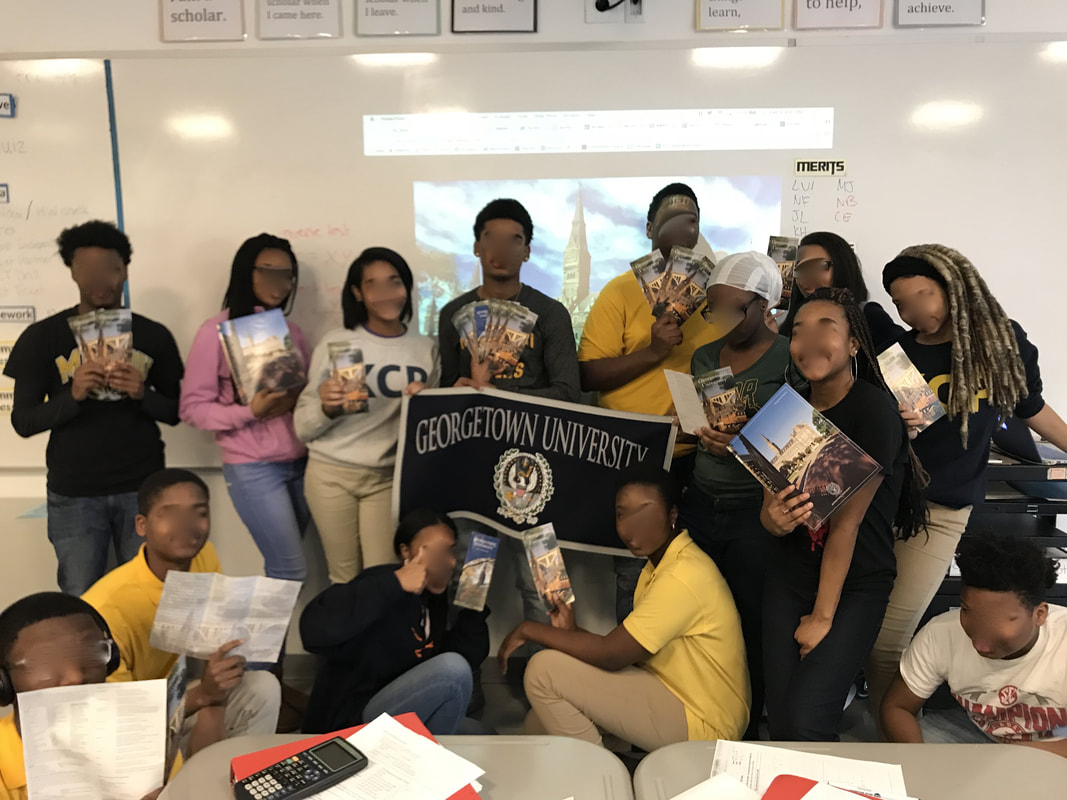
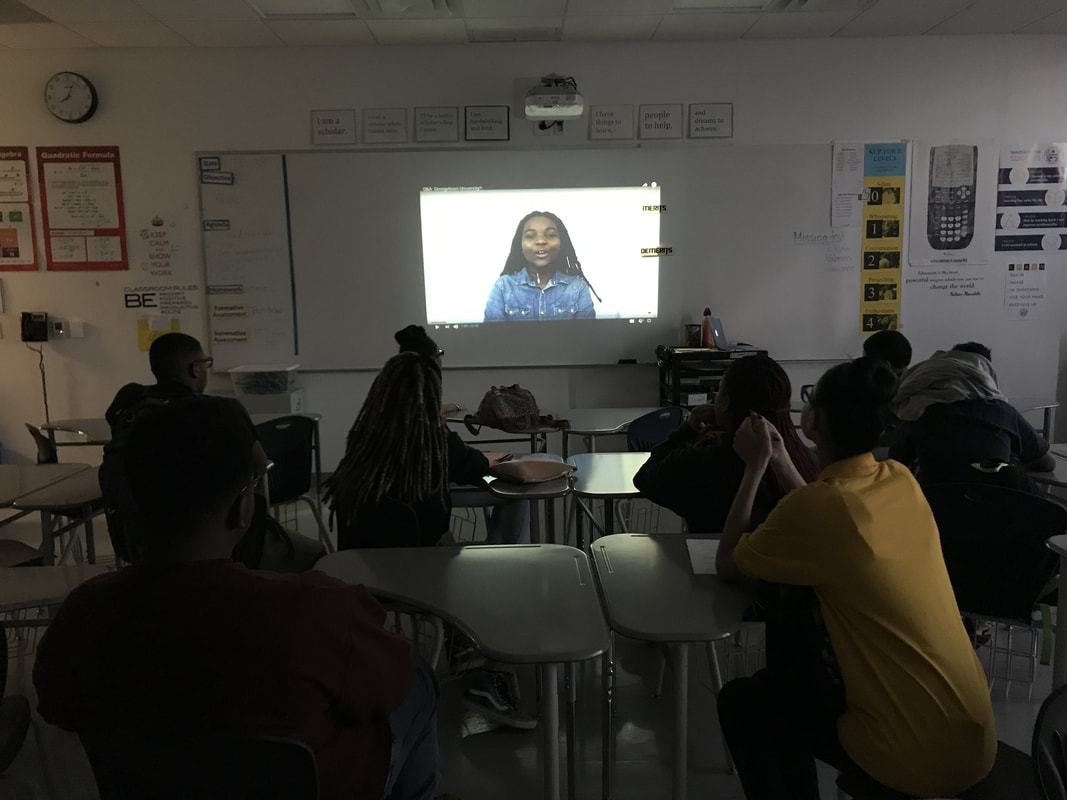
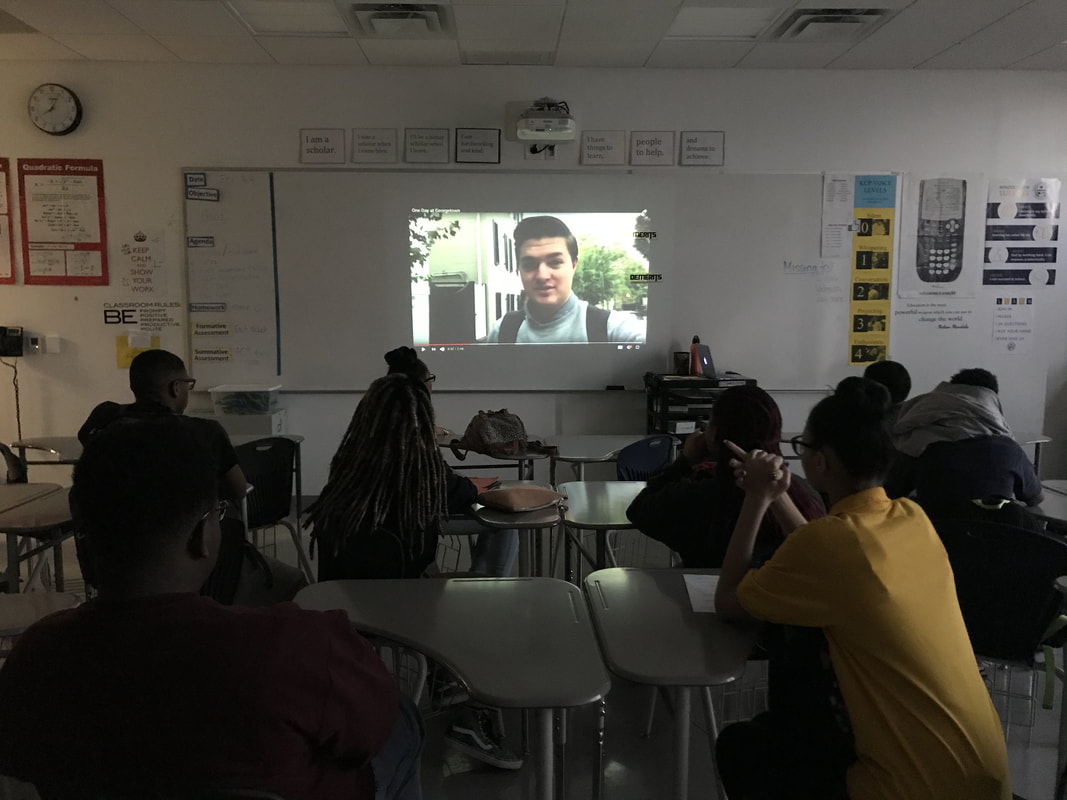
Our virtual tour included a questions and answers video, and also a campus tour video created by current Georgetown campus representatives. My students' questions in the pre-survey were all answered, and they toured through Georgetown's residence and dining halls, classrooms, laboratories, auditoriums, fitness centers, chapels, student organizations, and more. I contacted the Georgetown Admissions Office, and they provided my students with Georgetown posters, pamphlets, banners.
Students watch G's questions and answers video about everything from the admissions process to scholarship information.
Students explore popular off-campus sites such as the local coffee shop.
Students journey through the heart of campus, Red Square, a gathering place for speeches and demonstrations.
Students receive Georgetown University posters, pamphlets, and banners.

To the Top

Alumni Connection

 
Many of my students will be the first in their families to attend college. Therefore, I want to make the college experience more personal to them by presenting my own college story. Through the presentation below, I showed pictures from my college experience. I shared about the student organizations I led at Georgetown, the career-inspiring jobs I held, and my diverse and meaningful friendships. I also want to provide my students with access to Georgetown's alumni network. Through my personal connections, I found Georgetown alumni from each of Georgetown's four undergraduate colleges who were willing to field any additional questions that my students have about Georgetown.
Your browser does not support viewing this document. Click here to download the document.

To the Top

Student Reflection

 
After our virtual tour and my personal story, students completed a post-tour reflection. Because I wanted to empower my students to assess whether Georgetown University was a good fit for them, I had my students rate Georgetown. This campus ratings resource from College Board provoked students to consider the university campus, dorms, classes, library, food, fitness center, social life, and overall feeling. This activity helped my students think through what they want from their future college experience. My students were candid in their final reflections and provided thoughtful reasons for why they would or would not want to attend Georgetown. I wrote down names of students who indicated on their survey that they wanted to attend Georgetown, and will reach out to their homeroom teachers next year when they are seniors to help them with the application process.

To the Top

Teacher Reflection

 
Virtual college tours increase my students’ access to learning about colleges that they cannot visit. I decided to take my students on a virtual campus tour of Georgetown to provide students access to current Georgetown students and alumni. Although my students are all residents of D.C., most of my students live over an hour away from Georgetown via public transportation. Fewer than 40% have visited Georgetown University even though it is in our city. Virtual college tours provide free access to almost all universities, and bring technology into the classroom.

During the virtual tour, my students were engaged in the videos, presentations, and university materials. Since most students have never visited Georgetown, they were surprised to see that Georgetown looked so different from many of the communities they have seen in D.C. Students were surprised to see the diversity of Georgetown's student body, the rigor of academics, and the extensive financial support offered through need-based scholarships. Students were also able to articulate what they liked and disliked about Georgetown. Several students voiced that would not want to attend Georgetown, while others proclaimed that Georgetown is their dream school. 

After the virtual tour, students were more motivated to do their best work in Algebra II, because they saw the relevance of their learning. The tour grounded students in one of the main purposes of high school, which is to prepare students for college. The virtual tour provided students with access not only to Georgetown's campus, but access to several current students and alumni. My students were able to hear from, and will continue to be supported by, Bulldogs who look forward to seeing my students at Georgetown. 
Back to Access
To the Top
Continue to Morgan State
Powered by Create your own unique website with customizable templates.
  • About Me
  • About My Classroom
  • Teaching Philosophy
  • Teacher Growth
    • Assessment >
      • Algebra II Mastery
      • Year-Long Assessments
      • Student Engagement
    • Planning for Instruction >
      • Long-Term Planning
      • Unit Planning
      • Lesson Planning
    • Instructional Strategies >
      • Note-Taking Strategies
      • Learning Models
      • Student-Led Learning
  • Student Growth
    • Access >
      • Georgetown University Virtual Tour
      • Morgan State University Field Trip
      • Teen Parent Resources
    • Habits & Mindsets >
      • Metacognition
      • Managing Impulsivity
    • Advocacy >
      • The Economics of Social Media
      • International Educational Equity
    • Dramatic Academic Growth >
      • Quantitative Growth
      • Qualitative Growth